Introduction
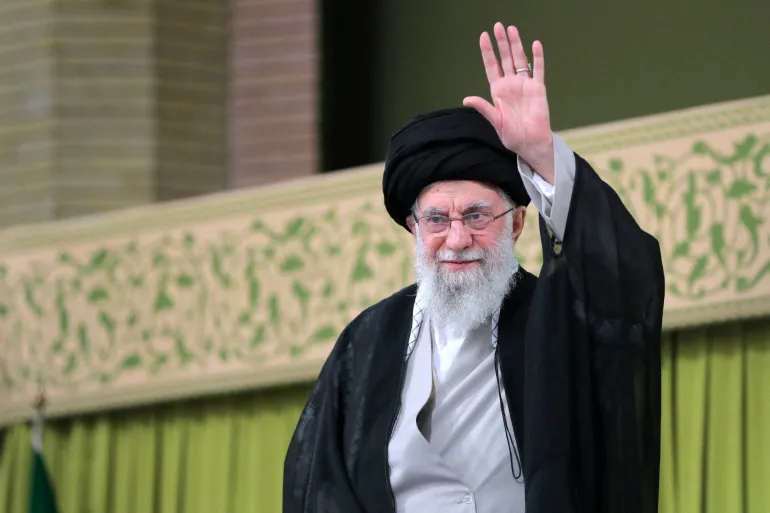
Ayatollah Ali Khamenei is the Supreme Leader of Iran and one of the most influential political and religious figures in the modern world. Serving in this position since 1989, he has played a central role in shaping Iran’s domestic policies, foreign relations, and regional influence in the Middle East.
This article provides a comprehensive overview of his life, political journey, leadership style, and global impact.
Early Life and Education
Ali Khamenei was born on April 19, 1939, in Mashhad, Iran. He belonged to a religious family, which influenced his early education and career path. He pursued Islamic studies in Mashhad and later in Qom, focusing on jurisprudence, philosophy, and theology.
From a young age, he showed strong interest in political and religious activism, particularly against the ruling monarchy.
Role in the Iranian Revolution
The Iranian Revolution of 1979 was a turning point in Khamenei’s life. He actively participated in the movement led by Ayatollah Ruhollah Khomeini against Shah Mohammad Reza Pahlavi.
After the revolution:
- He became part of Iran’s new political leadership
- Held several key government positions
- Contributed to shaping the Islamic Republic
Presidency of Iran (1981–1989)
In 1981, Ali Khamenei was elected as the President of Iran and served until 1989.
During his presidency:
- Iran was engaged in the Iran-Iraq War
- National defense was strengthened
- Efforts were made to stabilize the newly formed Islamic system
Despite numerous challenges, he established himself as a strong political figure.
Becoming Supreme Leader
Following the death of Ayatollah Khomeini in 1989, Ali Khamenei was appointed as the Supreme Leader of Iran, the highest authority in the country.
His powers include:
- Command over the armed forces
- Influence over foreign policy
- Authority over judiciary and key institutions
- Final decision-making in major national matters
Under his leadership, Iran emphasized independence and resistance in its policies.
Domestic Policies and Governance
Khamenei’s domestic policies focus on:
- Promoting Islamic values
- Maintaining political stability
- Exercising control over media and public discourse
Supporters believe he has ensured stability, while critics raise concerns about freedom of expression and political rights.
Foreign Policy and Global Influence
Ali Khamenei’s foreign policy aims to protect Iran’s sovereignty and expand its regional influence.
Key aspects include:
- Tense relations with the United States
- Strategic involvement in Middle Eastern affairs
- Support for regional allies
- Ongoing nuclear policy debates
His decisions have significantly influenced Iran’s global position.
Leadership Style
Khamenei’s leadership style is characterized by:
- Strong ideological foundation
- Long-term strategic thinking
- Emphasis on religious guidance
He frequently addresses the nation through speeches, guiding both political and social direction.
Criticism and Controversies
Like many global leaders, Ali Khamenei has faced criticism.
Major points of criticism include:
- Restrictions on political freedoms
- Handling of protests
- International tensions
However, supporters view him as a symbol of resistance against foreign pressure.
My Opinion
In my opinion, Ayatollah Ali Khamenei was not only a political leader of Iran but also a figure whose struggle went beyond national boundaries. His efforts were not limited to strengthening Iran alone; rather, they were deeply connected to his commitment to Islam and his ideological beliefs.
He dedicated his life to his country and his faith, always standing firm in the face of powerful global forces. His leadership reflected courage and determination, as he challenged powers that many in the world would not dare to confront.
From this perspective, he can be seen as a brave and resolute leader who inspired strength among his people and reduced the fear of dominant global powers. His stance encouraged not only Iranians but also others to believe in resistance and self-reliance.
Legacy and Impact
After decades in power, Khamenei’s legacy is substantial:
- Deep influence on Iran’s political structure
- Major role in Middle Eastern geopolitics
- Preservation of Iran’s ideological system
He remains one of the longest-serving leaders in the world today.
Conclusion
Ayatollah Ali Khamenei continues to play a critical role in shaping Iran’s future and influencing global politics. Whether viewed as a strong leader or a controversial figure, his impact is undeniable and will likely continue for years to come.
Key:
- Ayatollah Ali Khamenei biography
- Iran Supreme Leader history
- Ali Khamenei leadership
- Iran politics and global influence
- Iranian revolution leaders